Creator · Composer
Bernhard Crusell
Biography
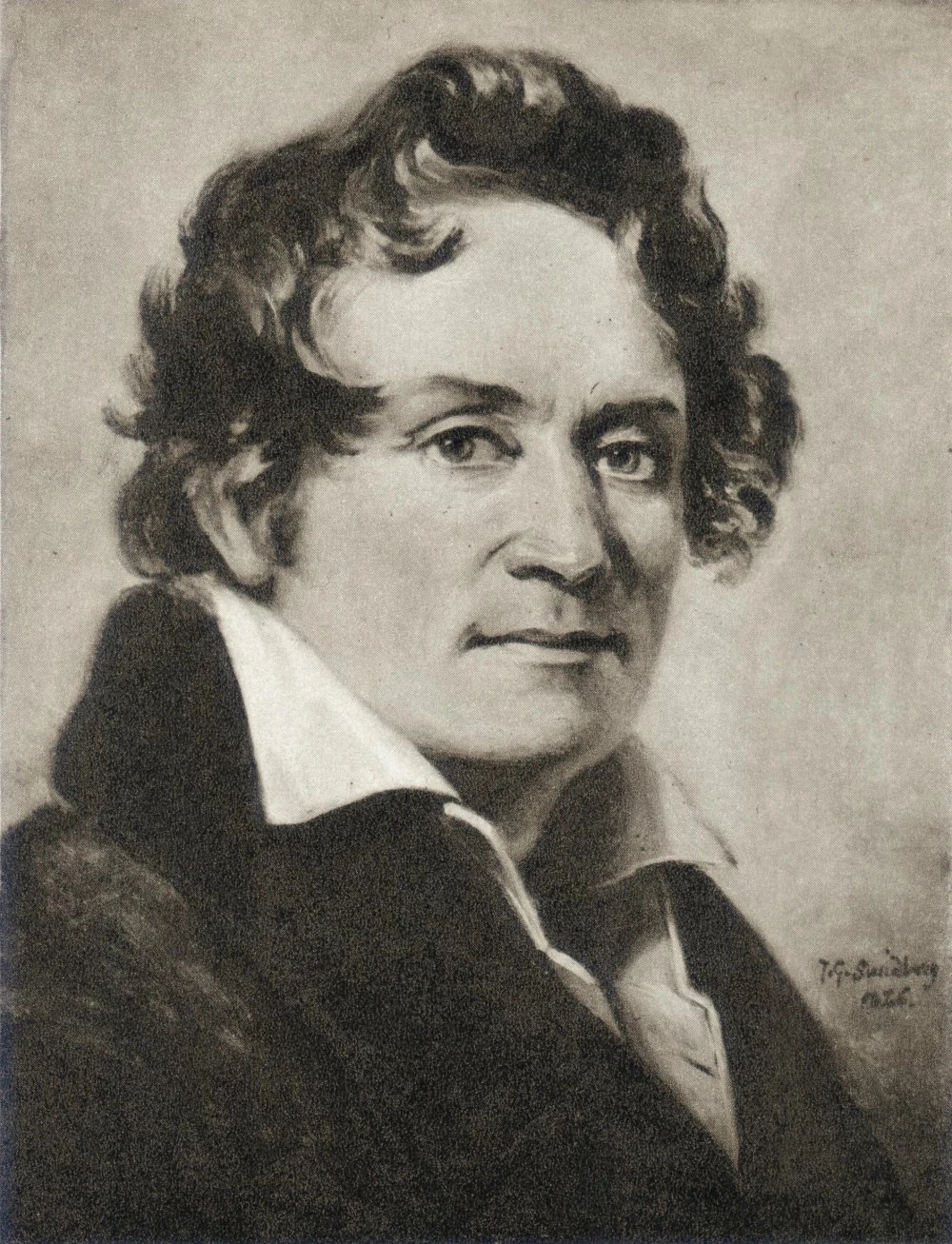
Bernhard Henrik Crusell (1775–1838) was a clarinetist and composer, who is the most significant figure in the Finnish music before Sibelius. He was born in Uusikaupunki, Finland, into a poor family and spent most of his life in Sweden, but he always considered himself a Finn. Between 1791 and 1799, Crusell studied music theory and composition with Abbé Vogler and Daniel Böritz in Stockholm. In 1803 while in Paris he studied composition at the Conservatoire with Gossec and Berton. In 1793 he became principal clarinet with the Hovkapellet (Royal Court Orchestra) and remained in the orchestra until 1833. During his career, Crusell became increasingly well known as a clarinet soloist, not only in Sweden but also in Germany, and even in England. He played compositions by Beethoven, Krommer, Mozart, and others. Carl Abraham Mankell (1802–1868), music critic of Svenska Tidningen (Swedish News), admired Crusell's playing for the roundness of his tone and its evenness in quality throughout the range of the instrument. He composed pieces, including concertos and chamber works, not only for his own use, but also for other wind players in the court orchestra. In 1811, he travelled to Leipzig where he established a relationship with the music publisher Bureau de Musique, which became part of C. F. Peters in 1814. His opera, Lilla slavinnan (The Little Slave Girl), was first performed in Stockholm in 1824 and was repeated 34 times in the following 14 years. Crusell was a skilful linguist, translating the important Italian, French, and German operas for performances in Sweden. His translation of Mozart's Le nozze di Figaro, first performed in 1821, resulted in his induction into the Geatish Society, an association of literary academics in Sweden. In 1837 he was awarded a Gold Medal by the Swedish Academy and was inducted into the Order of Vasa, for service to the state and society.
Works
Past events
More Pictures at an Exhibition
Bulgaria Concert Hall
Concert of "Sofia" Youth Philharmonic
Bulgaria Concert Hall